



Henghe crocodile cubs
The Henghe crocodile is a reptile belonging to the family Alligatoridae in the order Crocodiles, also known as the fish eating crocodile or the long snouted crocodile. The back is dark olive brown, and the belly is light in color. Kiss slender; There are 27-29 teeth on each side of the upper jaw and 25-26 teeth on each side of the lower jaw, with the same size of teeth; The body is covered with scales, and there is soft skin between each piece, which is easy to bend and stretch; The scales in the middle of the spine are angular and extend to the tail end; Fully webbed between toes. The juvenile is pale in color and has dark markings on it.

Henghe crocodile specimen
The Henghe crocodile is a reptile belonging to the family Alligatoridae in the order Crocodiles, also known as the fish eating crocodile or the long snouted crocodile. The back is dark olive brown, and the belly is light in color. Kiss slender; There are 27-29 teeth on each side of the upper jaw and 25-26 teeth on each side of the lower jaw, with the same size of teeth; The body is covered with scales, and there is soft skin between each piece, which is easy to bend and stretch; The scales in the middle of the spine are angular and extend to the tail end; Fully webbed between toes. The juvenile is pale in color and has dark markings on it.

Dwarf crocodile
The dwarf crocodile is the smallest crocodile in the world. They are mainly distributed in West and Central Africa, and due to congenital factors, their body proportions are severely imbalanced. Dwarf crocodiles live in rivers and swamps, and they often climb trees to bask in the sun. The dwarf crocodile has a very small body shape, and the length of an adult dwarf crocodile is only about one meter, which is one-fifth of other adult crocodiles. It is simply a miniature version of a crocodile, so it is named the dwarf crocodile.

White sturgeon
The Chinese sturgeon is a fish species belonging to the family Acipenseridae in the order Sturgeon, also known as the Chinese sturgeon, Chinese sturgeon, swordfish, elephant fish, tuna, etc. Body length spindle shaped, pectoral fins flat in the front and slightly laterally flattened in the back; The head is relatively long, accounting for more than half of the body length; The kiss is elongated in a conical shape, with a flat and narrow front end; Extremely small eyes, round, lateral position; Lower mouth, with a large, curved mouth and sharp small teeth on both jaws; It should be closer to the eyes than to the snout; The gill pores are large and connected to the isthmus; Gill rakes are thick and tightly arranged; The dorsal fin is located behind the body, close to the base of the caudal fin; The anal fin is located below the dorsal fin; Developed pectoral fins; There are no scales on the body surface. The back and tail fins are dark gray or light gray, while the fins and abdomen are white.
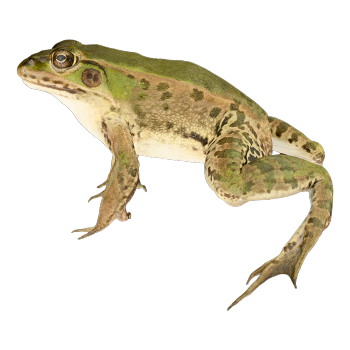
Damo Frog
The wild habitats of the Damo frog include temperate grasslands, rivers, wetlands, ponds, irrigated farmland, waterways, etc. The average size of male frogs is about 3.5-6.2 centimeters, while the average size of female frogs is 3.7-7.3 centimeters. The length of the larvae (i.e. tadpoles) can exceed 5 centimeters. There are significant black spots on the back of the adult, and their jumping ability is poor due to underdeveloped hind limbs.

Damo Pond Frog
The scientific name of the Damo pond frog is Pelophalax porosus. It is a species of amphibian belonging to the frog family. The average body length of males is 3.5 to 6.2 centimeters, while the average body length of females is 3.7 to 7.3 centimeters.

Noble scallop specimens
The shell of the luxurious scallop is large and larger, with a shell length exceeding 100mm. The shell is tough and round in shape. The shell length is slightly equal to the shell height, the two shells are equal, the left shell is slightly more convex than the right shell, and the sides of the shell are slightly equal. The dorsal edge of the shell is straight, and the ventral edge is circular. The top of the shell is located in the middle of the back edge, small and not convex, with shell ears in front and behind the top of the shell. The two ears are unequal, with the left anterior ear slightly larger and both ears forming triangles, with 7-8 thin ribs on the ribs; There is a significant difference between the front and back ears of the right shell; The front ear is large, nearly triangular, with about 4 thick ribs on the surface, and there are several small comb teeth in the foot silk holes below; Rear ear triangle with several thin ribs.
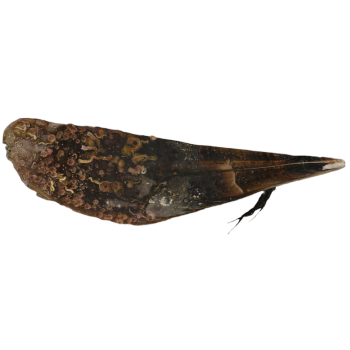
Two color river clam specimen
The external characteristics of the shell range from medium to large. The shell beak is located at the front end. Thin shell. The true bead layer did not extend to the end. Lack of twisted teeth. The scar on the anterior adductor muscle is small and located at the front end, while the scar on the posterior adductor muscle is large and located in the center. There are no water pipes. Attach the front foot fibers to the substrate and bury them in the substrate with the back edge facing upwards.

Popular Models
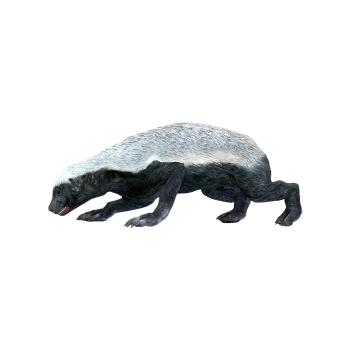
Honey Badger (3D animated model)
192 View
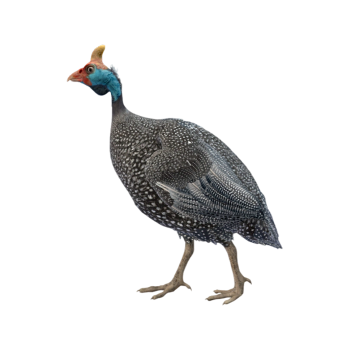
Guinea fowl (3D animated model)
163 View
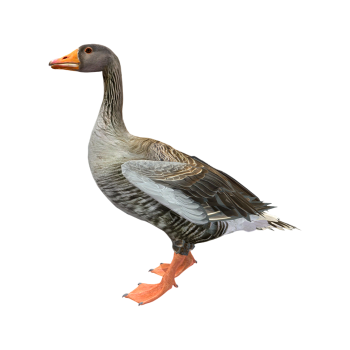
Wild Goose (3D animated model)
185 View
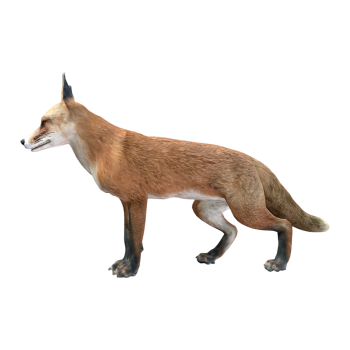
Red Fox (3D animated model)
153 View
Random Model

Stereo mixer
911 View

Eating Crabs (3D Animation Model)
1092 View

Western Snack Strawberry Pie
769 View


Porsche 2 019 911 GT2 RS Clubsport
759 View

Christmas spherical ornament
917 View




Wessel Manor Wedding Venue in the UK
808 View